Research

Ezekiel Lab research summary

Translational stem cell research focused on neurodevelopmental disease.

Research Interests

How CTBP1 mutations disrupt early brain development

CTBP1 normally helps control how other genes are turned on and off during early brain development. A pathogenic missense mutation disrupts this process, leading to abnormal neuronal development and the rare neurodevelopmental disorder HADDTS.

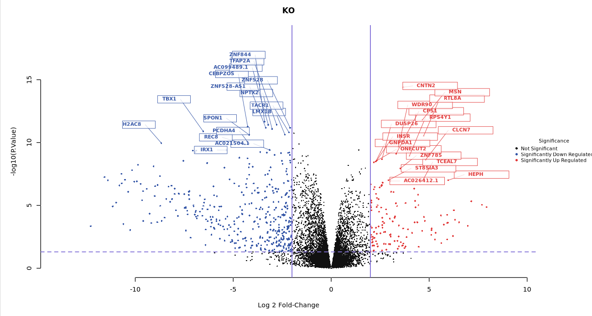
The lab uses patient-derived and genome-edited isogenic iPSC lines differentiated into neural stem cells and neurons to examine how CTBP1 mutations disrupt neurodevelopmental processes. Genome-wide transcriptomic analyses have revealed key transcription factors dysregulated by CTBP1 mutations.

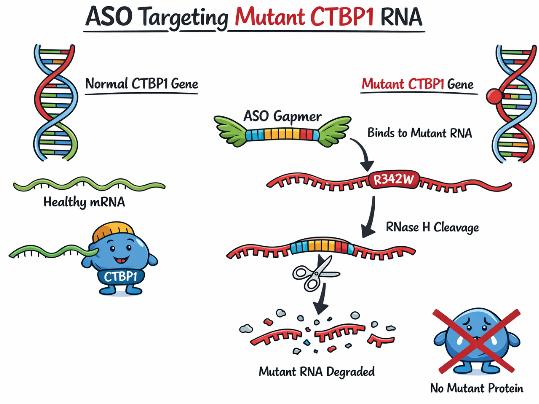
To translate these discoveries toward clinical intervention, the lab is developing targeted antisense oligonucleotide strategies that selectively silence the mutant CTBP1 allele while preserving the essential healthy copy. Using 2D and 3D organoid systems, the goal is to eliminate the pathogenic allele and restore normal function through precision genetic therapy.
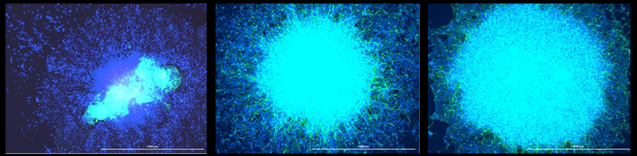
iPSC modelsAdult-cell reprogramming, patient-derived lines, and CRISPR-engineered isogenic controls.
2D and 3D systemsNeural stem cells, neurons, cerebellar granule cells, and organoid disease models.
ASO therapyTarget-specific antisense oligonucleotides designed to silence only the pathogenic allele.
Scientist working in a genomics laboratory
Disease Modeling

3D Neurosphere Model

Reprogramming adult cells into iPSCs and differentiating them into neural systems to model HADDTS.

Data visualization on a research monitor
Transcriptomics

Genome-wide mechanisms

Identifying transcription factors and pathways dysregulated by pathogenic CTBP1 mutations.

Diagram showing an antisense oligonucleotide targeting mutant CTBP1 RNA
Therapeutics

Precision genetic therapy

Developing allele-selective ASO strategies to silence mutant CTBP1 while preserving the healthy allele.