CtBP1 in Neurodevelopment & Neurodegenerative Disease

Translational stem cell research for neurodevelopmental disease.

01 Regenerative Medicine & iPSCs

The Ezekiel Lab focuses on translational regenerative medicine research. The lab's work includes reprogramming adult cells into induced pluripotent stem cells (iPSCs), elucidating stem cell differentiation into diverse tissue types, and investigating these processes using molecular and biochemical approaches.

02 CTBP1 & HADDTS Pathology

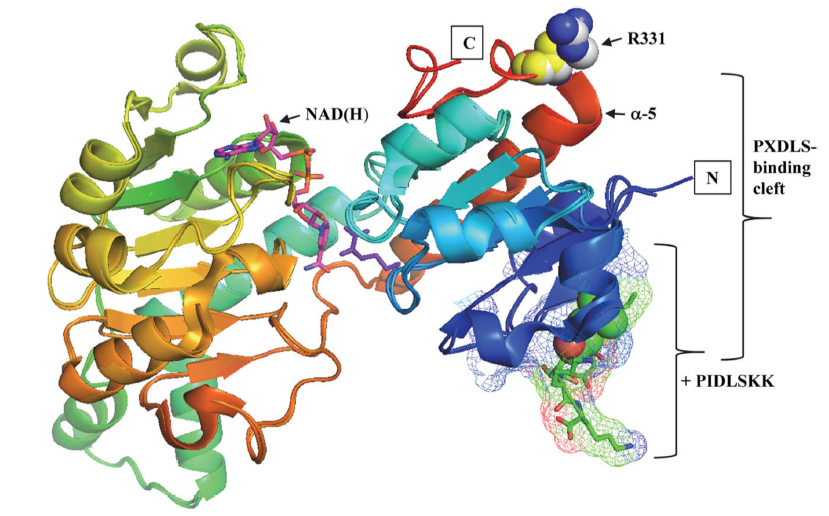
Currently, the lab's primary focus is to understand how a missense mutation in the transcriptional co-repressor C-terminal binding protein 1 (CTBP1) leads to the rare neurodevelopmental disorder HADDTS. CTBP1 normally helps control how other genes are turned on and off during early brain development; however, the pathogenic missense mutation disrupts this process, leading to abnormal neuronal development.

03 Neural Stem Cells & Transcriptomics

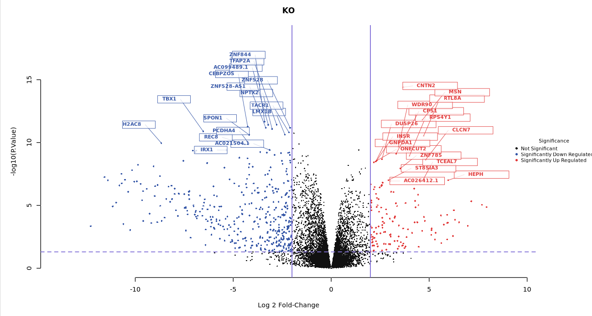
To understand this pathology, the lab uses patient-derived and genome-edited isogenic iPSC lines differentiated into neural stem cells and neurons to examine how CTBP1 mutations disrupt neurodevelopmental processes. Genome-wide transcriptomic analyses of these isogenic mutant cell lines have revealed key transcription factors dysregulated by CTBP1 mutations.

04 Precision ASO Therapy & Organoid Systems

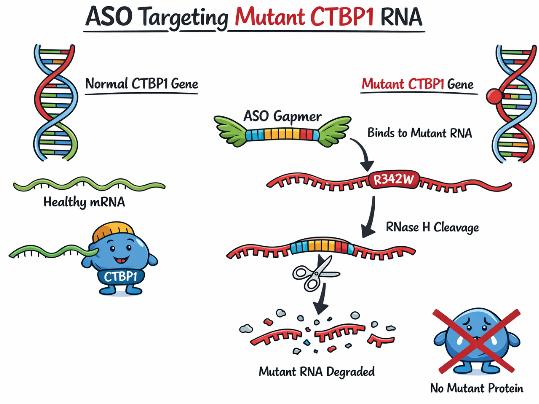
To translate these findings into a clinical intervention, the lab's project aims to develop a highly targeted genetic therapy using antisense oligonucleotides (ASOs). Importantly, affected children retain one healthy copy of CTBP1. Therefore, a therapeutic strategy that selectively silences only the mutant copy could restore normal function without harming the essential, healthy allele. Using 2D and 3D organoid systems, the lab is focused on eliminating the pathogenic allele, thereby restoring normal function through this precision genetic therapy.

CTBP1Rare neurodevelopmental disease
iPSCsPatient-derived stem cell models
ASOPrecision allele-silencing therapy
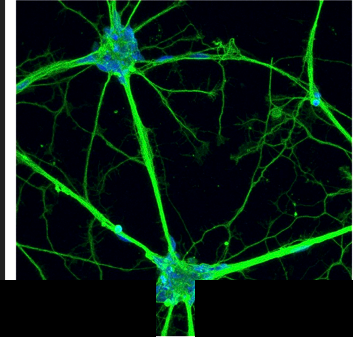
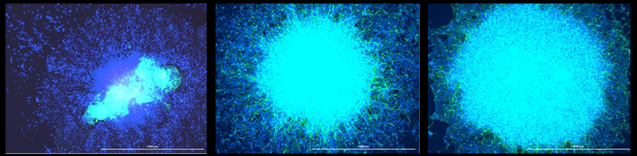
Fluorescent microscopy of patient-derived neural stem cells and neurons showing wild-type morphology
Stem Cells iPSC disease models Patient-derived and CRISPR-edited lines
HADDTS CTBP1 mechanisms Transcriptomics, neurons, and organoids
About the lab

Translational regenerative medicine with a clear clinical aim.

Led by Dr. Uthayashanker R. Ezekiel at Saint Louis University, the lab focuses on translational regenerative medicine research. Its work includes reprogramming adult cells into induced pluripotent stem cells, guiding stem cell differentiation into diverse tissue types, and studying these processes through molecular and biochemical approaches.

The current primary focus is understanding how a missense mutation in the transcriptional co-repressor C-terminal binding protein 1 (CTBP1) leads to the rare neurodevelopmental disorder HADDTS.

Biotechnology laboratory workspace
Regenerative medicine Patient-derived iPSCs CTBP1 and HADDTS Precision genetic therapy
Research

Ezekiel Lab research summary

Translational stem cell research focused on neurodevelopmental disease.

Research Interests

How CTBP1 mutations disrupt early brain development

CTBP1 normally helps control how other genes are turned on and off during early brain development. A pathogenic missense mutation disrupts this process, leading to abnormal neuronal development and the rare neurodevelopmental disorder HADDTS.

The lab uses patient-derived and genome-edited isogenic iPSC lines differentiated into neural stem cells and neurons to examine how CTBP1 mutations disrupt neurodevelopmental processes. Genome-wide transcriptomic analyses have revealed key transcription factors dysregulated by CTBP1 mutations.

To translate these discoveries toward clinical intervention, the lab is developing targeted antisense oligonucleotide strategies that selectively silence the mutant CTBP1 allele while preserving the essential healthy copy. Using 2D and 3D organoid systems, the goal is to eliminate the pathogenic allele and restore normal function through precision genetic therapy.
iPSC modelsAdult-cell reprogramming, patient-derived lines, and CRISPR-engineered isogenic controls.
2D and 3D systemsNeural stem cells, neurons, cerebellar granule cells, and organoid disease models.
ASO therapyTarget-specific antisense oligonucleotides designed to silence only the pathogenic allele.
Scientist working in a genomics laboratory
Disease Modeling

3D Neurosphere Model

Reprogramming adult cells into iPSCs and differentiating them into neural systems to model HADDTS.

Data visualization on a research monitor
Transcriptomics

Genome-wide mechanisms

Identifying transcription factors and pathways dysregulated by pathogenic CTBP1 mutations.

Diagram showing an antisense oligonucleotide targeting mutant CTBP1 RNA
Therapeutics

Precision genetic therapy

Developing allele-selective ASO strategies to silence mutant CTBP1 while preserving the healthy allele.

Recent scholarship

publications spanning molecular biology, disease mechanisms, and computational discovery.

ResearchGate lists Professor Ezekiel as a Ph.D. Professor at Saint Louis University in the Department of Clinical Laboratory Science. Browse the complete bibliography with DOI, PubMed, and PMC links.

News

Lab updates

Use this section for current events, new papers, student awards, conference presentations, grants, outreach activities, and recruitment notes.

Website content update

The lab website now highlights the CTBP1/HADDTS research program, ASO therapeutic direction, PI impact, mentorship, and lab member areas.

Research milestones

Future updates can feature iPSC, transcriptomic, 2D neural model, and 3D organoid progress as projects advance.

Student achievements

Add travel grants, poster awards, publications, summer research outcomes, and conference presentations here.

PI Research Impact

Academic innovation, translational medicine, and biotechnology enterprise.

Mentorship & Outreach
Principal Investigator

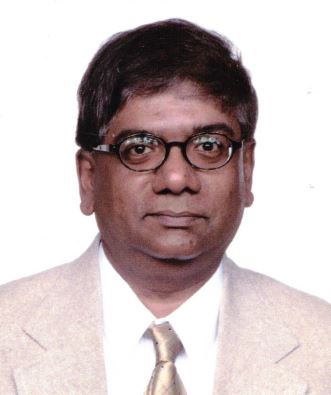
Dr. Uthayashanker R. Ezekiel

Dr. Ezekiel is a tenured Professor with over three decades of advanced biochemical and molecular immunology expertise. His research spans a high-impact translational frontier, from precision genetic medicine for rare neurodevelopmental disorders to the epigenetic modulation of cancer.

His career bridges academic innovation with industry enterprise, including the founding of GeneProTech, Inc., an independent biotechnology company that secured competitive federal funding to engineer next-generation genomic and transgenic platforms.

Cutting-edge translational focus

HADDTS disease mechanisms and targeted therapy

The lab uses patient-derived stem cells, CRISPR-engineered isogenic lines, and 2D and 3D organoid modeling systems to understand HADDTS and develop ASO genetic therapies that selectively silence pathogenic mutations.

Funding and patents

Federal, translational, foundation, and patent record

Dr. Ezekiel's work has been supported by NIH SBIR/STTR programs, including NINDS and NIMH, the NSF, Washington University's Institute for Clinical and Translational Sciences, and the DeNardo Education and Research Foundation. His issued US patents cover embryoid body screening systems, enhanced homologous recombination targeting efficiency, and pure cell-population selection platforms.

Excellence in Mentorship & Scientific Outreach

Training students through hands-on discovery and national scientific engagement.

Dr. Ezekiel is a distinguished academic mentor, recognized with the Saint Louis University Graduate Student Association Mentorship Award and the Doisy College of Health Sciences Excellence in Scholarly Endeavors Award.

His lab engages undergraduate and summer high school students in hands-on research experiences. As founder and faculty advisor of SLU's ASBMB chapter, he leads competitive, grant-funded STEM outreach programs for high school and undergraduate students.

Student outcomes Student researchers secure travel grants, publish peer-reviewed papers, and present at national conferences.
Poster and conference success Bench-mentored students have earned top poster honors at meetings including Discover BMB and the Society for Neuroscience.
STEM outreach Programs create early research exposure for high school and undergraduate students interested in biochemistry and molecular biology.
People

Lab members

Current and past member profiles are structured for names, roles, photos, and achievements to be added later.

Current

Professor Uthayashanker Ezekiel

Prof. Uthayashanker Ezekiel

Principal Investigator

Tenured Professor, Clinical Health Sciences, Saint Louis University.
RA

Research Associate

Role to be added

Profile image and details can be updated when available.
GS

Graduate Student

Role to be added

Profile image and details can be updated when available.
UG

Undergraduate Researcher

Role to be added

Profile image and details can be updated when available.

Past Lab Members

Past Graduate ResearcherName, role, current position, and years to be added.
Past Undergraduate ResearcherName, role, current position, and years to be added.
Summer Research StudentName, program, poster/paper outcome, and years to be added.
Work culture

A professional, supportive environment for rigorous discovery.

ReproducibleClean workflows, documented analysis, and transparent research habits.
CollaborativeCross-disciplinary teamwork across biology, data science, and medicine.
MentoredGrowth-oriented training for students and early-career researchers.
Contact

Connect with the lab

Reach the Ezekiel Lab through the verified Saint Louis University faculty contact details below.

Office Location

Allied Health Building
3437 Caroline Street, 3011
St. Louis, MO 63104

Lab Location

Schwitalla Hall
1402 South Grand Boulevard
St. Louis, MO 63104

Contact Form